-
 01
01

ANGOL

Be lehet tenni alumíniumfólia tartályokat egy légsütőbe?
Ipari hírek-A rövid válasz az igen – felteheted alumínium fólia tartályok légsütőben , de fontos feltételekkel. Élelmiszeripari mbeőségű alumínium tálcák és Eldobható alumínium élelmiszertárolók Általában biztonságosak a légsütő használatához, feltéve, hogy megfelelően használják őket: soha nem helyezik közvetlenül a fűtőelem fölé, soha nem használják üresen, és soha nem akadályozzák meg a levegő áramlását a kosáron keresztül. Ha ezek a feltételek teljesülnek, az alumíniumfóliás tartályok jól teljesítenek a légsütőkben kb 400°F (204°C) .
Sokan aggodalomra adnak okot a mikrohullámú sütőben lévő fémekkel kapcsolatos általános óvatosságból – de a légsütők teljesen más elven működnek. A légsütők gyvagys konvekciós hőt használnak, nem mikrohullámú sugárzást, így az alumínium kompatibilis anyag. Valójában Alumínium sütőlapok és Nagy teherbírású fólia serpenyők rutinszerűen használják a hagyományos sütőkben, sokkal magasabb hőmérsékleten, mint amennyit a legtöbb légsütő elérhet, ami megerősíti az anyag alapvető biztonságát a száraz melegben történő sütési környezetben.
Hogyan működnek a légsütők, és miért kompatibilis az alumínium?
A légsütő lényegében egy kompakt, légkeveréses sütő. Egy erős ventilátvagy nagy sebességgel keringeti a túlhevített levegőt a kosárba vagy tálcába helyezett élelmiszerek körül. A gyors levegőkeringés Maillard-reakciót vált ki az étel felületén – ugyanazt a barnító hatást, mint a mélysütésnél vagy a pörkölésnél – anélkül, hogy az ételt olajba merítené. A fűtőelem jellemzően az egység tetején helyezkedik el, és a hőmérséklet általában 0,5-től 180°F és 400°F (82°C és 204°C) között modelltől és recepttől függően.
Az alumínium olvadáspontja kb 1220°F (660°C) — messze meghaladja a légsütő által termelhető hőmérsékletet. Hővezető képessége (körülbelül 205 W/m·K) azt jelenti, hogy egyenletesen és gyorsan melegszik fel, így hatékonyan osztja el a hőt az élelmiszer felületén. Ez az oka annak, hogy az alumínium a domináns anyag a professzionális vendéglátó-ipari és légitársasági étkeztetésben: kiszámíthatóan teljesít széles hőmérséklet-tartományban, miközben könnyű és szerkezetileg stabil marad.
A fenti vízszintes oszlopdiagram világosan szemlélteti, hogy az alumíniumfóliás tartályok miért biztonságosak a levegős sütőben való használatra. A 1220°F-os maximális tűréshatárával az alumínium még a legerősebb fogyasztói légsütőmodellek 400°F-os mennyezete felett is drámai mértékben meghalad. Ezzel szemben a műanyag tartályok 200°F körüli hőmérsékleten kezdenek deformálódni – jóval a légsütő tipikus működési hőmérséklete alatt –, így alkalmatlanok és potenciálisan veszélyesek. A pergamenpapír, bár széles körben ajánlott, szűkebb, 450°F körüli biztonságos tartományt mutat, ami azt jelenti, hogy az alumíniumfólia tálcák a gyakorlatban hasonló vagy jobb hőtűrést kínálnak. Ez az alapvető termikus kompatibilitás az oka annak, hogy a professzionális konyhák, a légitársaságok étkeztetési tevékenységei és a BBQ catering szolgáltatások Nagy teherbírású fólia serpenyők mint a szokásos hőtűrő elszigetelési megoldásuk.
Amikor biztonságos – és amikor extra gondozásra van szükség
Használata Eldobható alumínium élelmiszertárolók légsütőben a mindennapi főzési forgatókönyvek többségében biztonságos. Néhány speciális körülmény azonban figyelmet igényel az élelmiszerbiztonság és a készülék élettartamának biztosítása érdekében.
Feltételek, ahol az alumíniumfólia tartályok jól működnek
- Elviteles ételek felmelegítése in Alumínium fólia Takeout Containers - ideális, mivel az élelmiszer súlyt ad, a tartály formája pedig egyenletes hőeloszlást biztosít.
- Sütés légsütőben egy kis segítségével Alumínium tepsi — a muffinok, kis sütemények vagy brownie-k hatékonyan sülnek el az asztali sütőhöz tervezett kompakt fóliasütőkben.
- Étkezés előkészítés segítségével Alumínium ételkészítő edények - Az adagszabályozott ételek ugyanabban a tartályban készíthetők és melegíthetők, így nincs szükség további edényekre.
- Pácolt vagy pácolt ételek főzése ahol egy kosár önmagában lehetővé teszi, hogy a folyadék a fűtőelemre csöpögjön – egy fólia tálca biztonságosan tartalmazza a cseppeket.
- BBQ és grill ételek segítségével a BBQ alumínium fólia tálca - Ideális kisebb zöldségek, garnélarák vagy törékeny tárgyak megóvásához a grillrácsokon vagy kosárlyukakon keresztül.
Fokozott óvatosságot igénylő helyzetek
- Erősen savas ételek (paradicsom, citrus alapú pácok, ecetes szószok) kisebb felületi reakciókat okozhatnak az alumíniummal, ha hosszabb ideig melegítik. Vastagabb használatával Nagy teherbírású fólia serpenyők vagy egy élelmiszer-minőségű bélés minimalizálja ezt a hatást.
- Légáramlás blokkolása: Ha egy fólia tálca lefedi a teljes kosár padlóját, és megakadályozza a levegő keringését alatta, a főzési teljesítmény jelentősen csökken. Mindig győződjön meg arról, hogy a tálca kisebb, mint a kosár kerülete.
- Használata the container empty étel nélkül: Egy üres fóliatartályt az erős légkeringtető ventilátor elkaphat, és a fűtőelem felé emelheti, ami biztonsági kockázatot jelent. Mindig ügyeljen arra, hogy az élelmiszer nehezítse a tartályt.
- Nagyon vékony fólia: A lazán használt ultravékony háztartási fólia ventilátor nyomására elszakadhat vagy gyűrődhet. Strukturált Élelmiszeripari mbeőségű alumínium tálcák formált élekkel sokkal stabilabbak és erre a célra építettek.
A légáramlás hatása: Hogyan befolyásolja a tartály mérete a légsütő teljesítményét
A légsütő meghatározó jellemzője a konvekciós légáramlás. A szakácsmérnökök által végzett kutatások és tesztelések következetesen azt mutatják, hogy a korlátozás több mint A kosár nyitott területének 50%-a bármilyen edénnyel – beleértve az alumíniumfólia tálcákat is – mérhetően lassabb sütési időt, egyenetlen barnulást és csökkentett ropogósságot eredményez. A lefedettségi arány és a teljesítmény romlása közötti kapcsolat nem lineáris; 50%-os lefedettség fölé erősen felgyorsul.
A vonaldiagram azt szemlélteti, hogy a légáramlás hatékonysága 90% felett marad, ha a tartály lefedettsége a kosár területének 40%-a alatt marad – ez az optimális működési tartomány. Az 50%-os küszöbön túl (narancssárga színnel jelölve) a hatékonyság meredeken csökkenni kezd: 60%-os lefedettségnél a légáramlás hatékonysága körülbelül 72%-ra, 80%-os lefedettségnél pedig a fedetlen alapvonal 45%-ára esik. Ez közvetlenül hosszabb főzési időt és kevésbé egyenletesen barnulást jelent. A gyakorlati következtetés egyértelmű: válasszon a Eldobható alumínium élelmiszer-tartály or Élelmiszeripari minőségű alumínium tálca úgy méretezve, hogy a kosár minden széle körül rés maradjon. A legtöbb, kereskedelemben kapható asztali sütőhöz tervezett fóliatartály természetesen megfelel ennek a kritériumnak, mivel szabványos sütőméretekhez készültek, az alaktényezőbe beépített hézaggal.
Az alumíniumfólia tartályok típusai és alkalmasságuk légsütőhöz
Nem minden fóliatartály egyforma. A vastagság, a szerkezeti merevség, a méret és a tervezett felhasználás jelentősen eltér a termékkategóriánként. Ezeknek a különbségeknek a megértése segít a kezelőknek és az otthoni szakácsoknak kiválasztani a megfelelő tartályt a légsütő használatához.
| Konténer típusa | Tipikus vastagság | Légsütő alkalmassága | Legjobb használati eset |
|---|---|---|---|
| Légitársaság alumínium fólia tartály | 0,06-0,09 mm | Kiváló | Előfőzött ételek felmelegítése, vendéglátás |
| Nagy teherbírású fólia serpenyők | 0,09-0,12 mm | Kiváló | Sütés, sütés, magas nedvességtartalmú ételek |
| Alumínium tepsi | 0,07-0,10 mm | Nagyon jó | Pékáruk, sütemények, apró péksütemények |
| Alumínium fólia Takeout Containers | 0,05-0,07 mm | Jó | Felmelegítés elvitel, gyorsételek |
| Alumínium ételkészítő edények | 0,06-0,09 mm | Nagyon jó | Csoportos főzés, adag újramelegítés |
| BBQ alumínium fólia tálca | 0,08-0,12 mm | Nagyon jó | Zöldségek, apró darabok, pácolt ételek |
| Normál háztartási fólia (laza lap) | 0,016-0,025 mm | Óvatosan használja | Csak az élelmiszer súlyához rögzítve |
A radardiagram egyértelmű teljesítménykülönbséget mutat a konténertípusok között. Nagy teherbírású fólia serpenyők (kék) ólom a szerkezeti merevségre és a hővisszatartásra – kritikus jellemzők nehezebb ételek főzésekor vagy magasabb hőmérsékleten történő üzemeltetéskor. Szabványos Alumíniumfóliás edények (narancssárga) magasabb pontszámot adnak egymásra halmozhatóság tekintetében, és valamivel nagyobb légáramlási távolságot tesznek lehetővé jellemzően kisebb alapterületük miatt, így praktikussá teszik a kötegelt újramelegítési forgatókönyveket. Egyik típus sem egyetemesen jobb; az optimális választás a főzési feladattól függ. Húsok sütéséhez, szaftos ételekhez vagy bármihez, ami szerkezeti alátámasztást igényel, a nagy teherbírást részesítjük előnyben. Az előre adagolt ételek vagy könnyebb ételek melegítéséhez a szokásos elvitelre alkalmas edények hatékony teljesítményt nyújtanak kisebb anyagtömeg mellett.
Az újrahasznosítható fóliatartályok környezetvédelmi ügye
Mind a kereskedelmi szereplők, mind a környezettudatos fogyasztók számára egyre nagyobb szempont a csomagolási döntéseik fenntarthatósági profilja. Újrahasznosítható fóliatartályok és Környezetbarát alumínium csomagolás van egy meggyőző környezetvédelmi érv: az alumínium az egyik leginkább újrahasznosítható anyag a Földön, és az újrahasznosítási arány messze meghaladja a legtöbb egyszer használatos műanyag vagy bevont papír alternatívát.
Az alumínium újrahasznosítása kb 95%-kal kevesebb energia mint új alumíniumot előállítani nyers bauxitércből. Ez azt jelenti, hogy egyetlen újrahasznosított Eldobható alumínium élelmiszer-tartály elegendő energiát takarít meg ahhoz, hogy egy 100 wattos izzót körülbelül 20 órán keresztül tápláljon. Globálisan az alumínium becsült újrahasznosítási aránya kb 75% — lényegesen magasabb, mint a műanyag csomagolás, körülbelül 14%. Azon vendéglátóipari vállalkozások számára, amelyek az élelmiszer-biztonság vagy a hőteljesítmény veszélyeztetése nélkül kívánják javítani környezettudatosságát, át kell állniuk a tanúsított üzemre. Élelmiszeripari mbeőségű alumínium tálcák a felelős gyártóktól egy praktikus és hatásos lépés.
A fenti oszlopdiagram számszerűsíti az alumínium döntő újrahasznosíthatósági előnyét a versenytárs csomagolóanyagokkal szemben. A 95-ös pontszámmal – ami tükrözi a globális újrahasznosítási infrastruktúrát, az anyag-visszanyerési értéket és az újrahasznosításból származó energiamegtakarítást – az alumínium jelentős mértékben felülmúlja az üveget (33), a hagyományos műanyagokat (14), sőt a bioalapú műanyagokat (42) is. Bár a papírt és a kartonpapírt széles körben "zöldnek" tartják, 58-as pontszámot értek el a szennyeződési kihívások és a korlátozott újrahasznosíthatóság miatt, ha élelmiszerrel bevonják. Örökbefogadó vendéglátóipari vállalkozások számára Környezetbarát alumínium csomagolás , ezek az adatok tényszerű alapot adnak a fenntarthatósági jelentésekhez és a fogyasztói kommunikációhoz. Kiválasztás Újrahasznosítható fóliatartályok nem pusztán egy jó érzésű döntés – ez egy mérhetően jobb környezeti választás, amelyet az anyagtudomány és a globális újrahasznosítási gazdaságtan támogat.
Bevált gyakorlatok: Alumíniumfólia-tartályok használata légsütőben
Néhány egyszerű technika alkalmazása drasztikusan javítja az eredményeket bármilyen típusú használata esetén Alumínium fólia kivehető tartály , Alumínium ételkészítő tartály , vagy BBQ alumínium fólia tálca légsütőben. Ezek a gyakorlatok az élelmiszertudományi elvekből és a valós kereskedelmi konyhai tapasztalatokból származnak.
Méretezés és elhelyezés
- Válasszon ki egy tárolót, amely legalább elhagyja 0,5-1 hüvelyk távolság a kosár minden oldalán, hogy megfelelő légáramlást biztosítson.
- A tartályt helyezze középre a kosárban, ne tolja félre, ezzel elősegítve az egyenletes hőeloszlást minden irányból.
- Soha ne helyezzen fóliás edényeket egy légsütő belsejébe – ez blokkolja a függőleges légáramlást, és hideg foltokat képez a rétegek között.
Élelmiszer betöltése
- Mindig legyen élelmiszer a tartályban, mielőtt a sütőbe helyezné. Az élelmiszer súlya megakadályozza, hogy az edényt a légáramlás elmozdítsa.
- Mert Légitársaság alumíniumfólia tartályok újramelegítéshez használva távolítson el minden műanyag fóliát vagy karton fedelet, mielőtt a légsütőbe helyezné – csak a fóliás része hőbiztos.
- Ha fedeles fóliás edényt használ, a főzés utolsó 3-5 percében vegye le a fedelet, hogy a felület barnuljon és ropogóssá váljon.
Hőmérséklet Útmutató
- Szabványos Élelmiszeripari mbeőségű alumínium tálcák megbízhatóan működik akár 204 °C (400°F) légsütő hőmérsékleten. A legtöbb újramelegítési és sütési alkalmazás 320°F és 375°F közé esik – jóval a biztonságos tartományon belül.
- Ha erősen savas ételeket, például paradicsom alapú ételeket készít huzamosabb ideig, csökkentse a hőmérsékletet körülbelül 350 °F-ra, és korlátozza a főzési időt 20 perc alatt, hogy minimalizálja a felületi kölcsönhatásokat.
- Mert Nagy teherbírású fólia serpenyők sűrű ételek sütéséhez használjon, adjon hozzá 2–3 percet a normál sütési időhöz, hogy kompenzálja az edény lábnyomából eredő légáramlás enyhe csökkenését.
Alumíniumfóliás tartályok az iparágakban: a felhasználás mértéke
Az alumíniumfólia tárolóedények sokoldalúsága és praktikussága jóval túlmutat az otthoni konyhákon. Számos nagy iparág alkalmazta ezeket a tárolóedényeket vendéglátási tevékenységének szabványos elemeként, amelyek mindegyike az anyag különböző tulajdonságait használja ki.
A légitársaságok közétkeztetése jelenti a legnagyobb mennyiségben alkalmazott egyetlen alkalmazást a strukturált alumíniumfólia tartályok, különösen a Légitársaság alumínium fólia tartály formátum – az adagok pontos méretezésére, a konyhákban egymásra rakhatóságra, a sütővel való kompatibilitásra és a higiénikus, egyszer használatos szolgáltatásra tervezték. Az élelmiszer-kiszállítási és -kiszállítási műveletek (87-es indexszel) a leggyorsabban növekvő szegmens, amelyet az élelmiszer-kiszállítási platformok globális terjeszkedése és a szállítás során a hőmérsékletet fenntartó konténerek iránti igény okoz. A szupermarketben készült készételek (77) nagymértékben támaszkodnak a fóliatálcákra a sütőtől az asztalig történő bemutatáshoz. Rendezvény és BBQ catering (67) felhasználás BBQ alumínium fólia tálcas kültéri főzéshez, ahol tűz- és hőállóságuk nélkülözhetetlenné teszi őket. Az otthoni ételkészítés (45) növekszik, ahogy a fogyasztók egyre inkább alkalmazzák Alumínium ételkészítő tartálys heti szakaszos főzéshez, amely vonzza a tárolóedények azon képességét, hogy közvetlenül a fagyasztóból a légsütőbe vagy sütőbe kerüljenek anélkül, hogy az ételt áthelyeznék.
Gyakran Ismételt Kérdések
Q1. Helyezhetek alufólia tartályt közvetlenül a légsütőmbe?
Igen, elhelyezhet a Élelmiszeripari minőségű alumínium tálca or Eldobható alumínium élelmiszer-tartály közvetlenül a légsütő kosarában. A legfontosabb követelmény, hogy a tartálynak kisebbnek kell lennie, mint a kosár (ha szabad helyet hagyva a légáramlás számára), tartalmaznia kell élelmiszert a súlyához, és nem szabad közvetlenül a fűtőelem fölé helyezni vagy hozzáérni. A formázott szélű strukturált fóliatartályok lényegesen stabilabbak, mint a laza formájú fólia.
Q2. Befolyásolják-e az alufóliás edények az ételeim ízét légsütőben?
Mert most foods, aluminum foil containers have no detectable effect on taste. A minor metallic interaction may occur with erősen savas összetevőket (paradicsom, citrusfélék, ecet) hosszan tartó, magas hőmérsékleten történő főzés során. Ennek elkerülése érdekében használjon vastagabbat Nagy teherbírású fólia serpenyők savas ételek esetén tartsa a főzési időt 20 perc alatt, vagy bélelje ki az edényt sütőpapírral az étel hozzáadása előtt.
Q3. Biztonságos-e az alufóliás edények újramelegítése légsütőben?
Alumínium fólia Takeout Containers általában biztonságosan újramelegíthetők légsütőben – ez az egyik legpraktikusabb alkalmazásuk. Újramelegítés előtt távolítson el minden műanyag fedelet, fóliatömítést vagy papírcímkét. Állítsa a légsütőt 320-350°F-ra, és melegítse 5-10 percig az étel típusától függően. Ez a módszer gyorsabb, és gyakran jobb állagú eredményeket ad, mint a mikrohullámú újramelegítés, mivel a keringő hő inkább ropogóssá teszi az étel felületét, mintsem gőzölné.
Q4. Az alumíniumfólia tartályok újrahasznosíthatók a légsütő használata után?
igen — Újrahasznosítható fóliatartályok főzés után is újrahasznosíthatóak maradnak, feltéve, hogy az újrahasznosításba helyezés előtt leöblítik vagy letörlik a jelentős élelmiszermaradványok eltávolítása érdekében. Az alumínium az egyik legmagasabb újrahasznosíthatósági arányú élelmiszercsomagoló anyagok közül, és az újrahasznosítás körülbelül 95%-kal kevesebb energiát használ fel, mint az új alumínium gyártása. A minősített kiválasztása Környezetbarát alumínium csomagolás a felelős gyártóktól, segít hatékonyan lezárni az újrahasznosítási kört.
Q5. Használhatok alumínium tepsit légsütőben való sütéshez?
An Alumínium tepsi jól használható légsütőben, például süteményekhez, kis süteményekhez, muffinokhoz vagy frittatához. Válasszon ki egy tálcát, amely belefér a kosárba úgy, hogy a szélei körül legyen szabad hely. Csökkentse a szabványos sütő hőmérsékletét körülbelül 25 °F-kal, ha légsütőt használ, és ellenőrizze, hogy a recept szerint 3-5 perccel korábban elkészült-e, mivel a légsütők a koncentrált légkeveréses hatás miatt gyorsabban sülnek, mint a hagyományos sütők.
Q6. Mi a különbség a normál és a nagy teherbírású alumíniumfólia tartályok között?
Nagy teherbírású fólia serpenyők vastagabb alumíniumból készülnek (jellemzően 0,09–0,12 mm, szemben a standard minőségű 0,05–0,07 mm-rel), így nagyobb szerkezeti merevséget, nagyobb hőállóságot és jobb nedvességmegtartást biztosítanak. Nehezebb ételekhez, hosszabb főzési időkhöz és olyan helyzetekhez ajánljuk, amikor a tartályt feltöltés közben szállítani vagy kezelni kell. Szabványos Alumínium ételkészítő edények elegendőek a könnyebb ételekhez, az adagok felmelegítéséhez és a rövid ideig tartó főzési feladatokhoz.
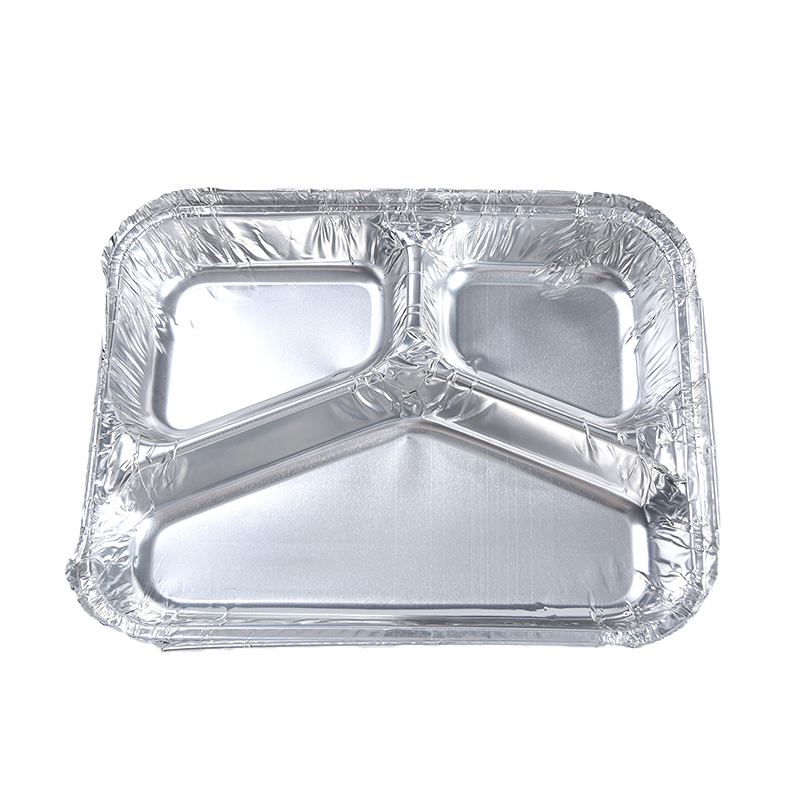
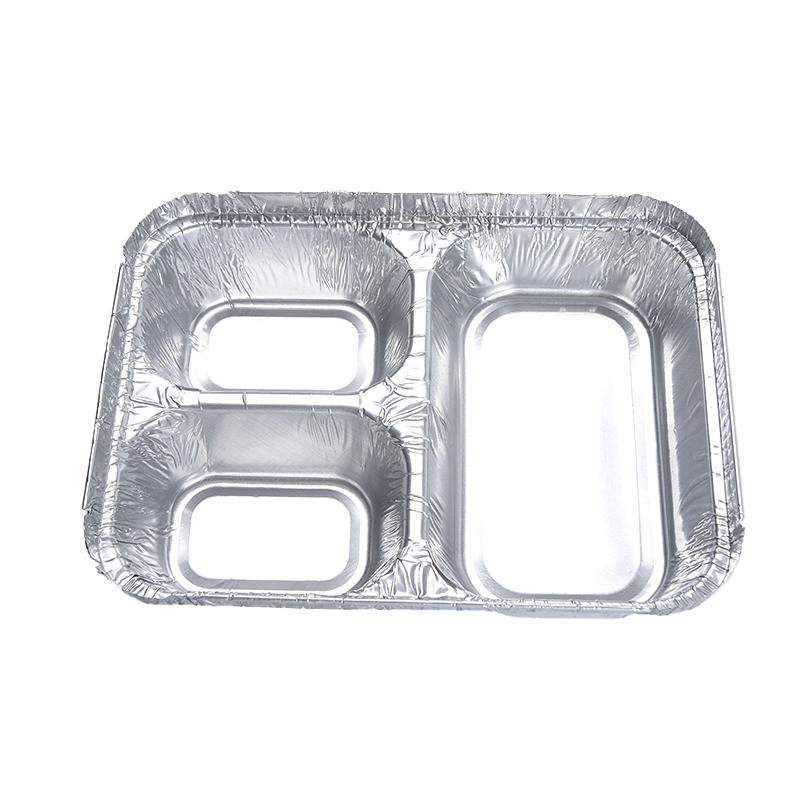
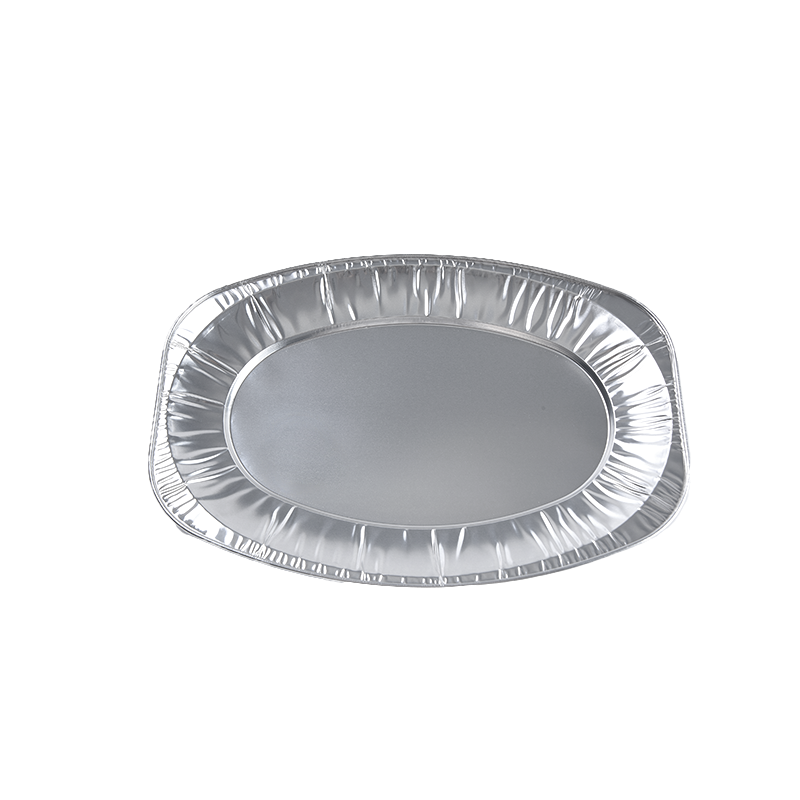
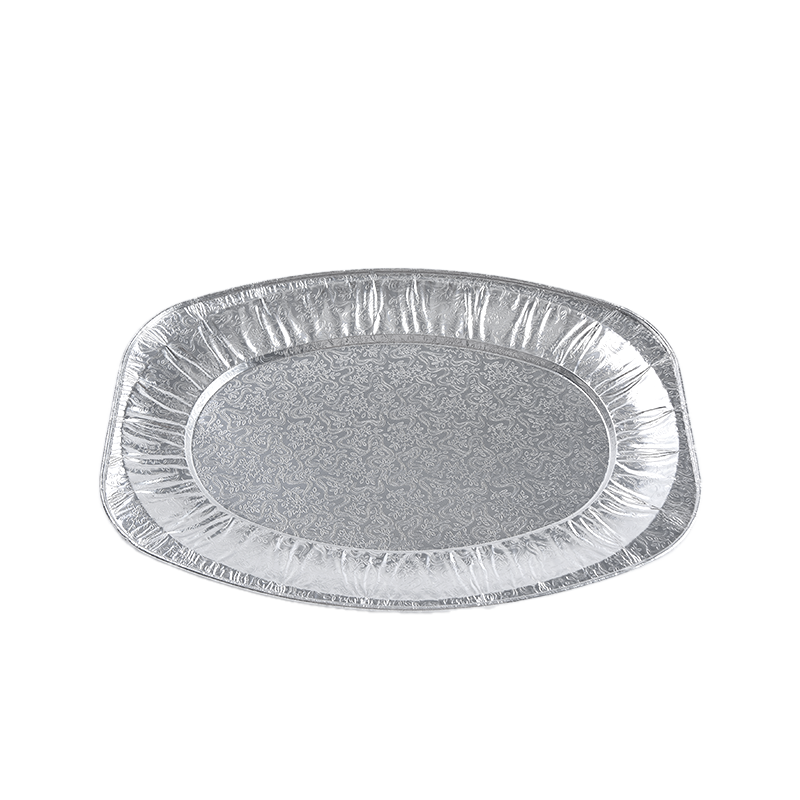
Válassza az AiKangot a legjobb minőségért
Alumíniumfólia termékek
Fedezze fel a mi
Kiemelt termékek

Ningbo Aikang Aluminium Foil Technology Co., Ltd., székhelye Ningbo, környezetbarát eldobható alumíniumfólia termékeket gyárt. Elsőbbséget adnak minőség és vevői elégedettség, innovatív megoldásokkal szolgálva a globális piacot csomagolási megoldások.


Gyors linkek
Termékek
Kapcsolatfelvétel
-
 No. 5 Yongxing East Road, Fengshan Street, Yuyao City, Zhejiang tartomány, Kína
-
 Tel: +86-15867468784
-
 E-mail: [email protected]
Küldjön nekünk üzenetet
